How to Choose the Right Dune Buggy for a Desert Ride
Understanding the Basics of Dune Buggy Selection
Selecting a dune buggy for a desert adventure in Dubai involves more than picking a flashy vehicle. The right choice depends on your experience, the terrain you plan to tackle, and the level of comfort you expect. Dubai’s desert offers everything from soft, rolling dunes to hard-packed gravel tracks, and not every buggy handles both equally well. Before you book or rent, it helps to know what to look for and what questions to ask.
Step 1: Assess Your Driving Experience
Your skill level is the first factor to consider. If you have never driven an all-terrain vehicle before, a simpler buggy with automatic transmission and power steering is a good starting point. Experienced drivers might prefer a manual gearbox and a more responsive throttle for tighter control on steep dunes. Some operators offer a short familiarisation run before the main ride, which can help you gauge whether the buggy suits your comfort zone. Be honest about your ability; overestimating it can lead to a less enjoyable trip or even a mishap on tricky sand tracks.
Step 2: Check the Buggy’s Build and Suspension
The desert terrain is uneven, with sudden dips and soft patches. A dune buggy with a sturdy frame and good suspension absorbs shocks and keeps you stable. Look for buggies that have a reinforced chassis, preferably made from steel or high-grade aluminium. The suspension system matters too. Independent suspension on all four wheels provides better traction and comfort than a rigid axle. If the buggy feels bouncy or shaky during a pre-ride check, it might not handle the deeper dunes well. Ask about the vehicle’s maintenance history; a well-kept buggy performs more predictably on loose sand.
Step 3: Understand Safety Features and Gear
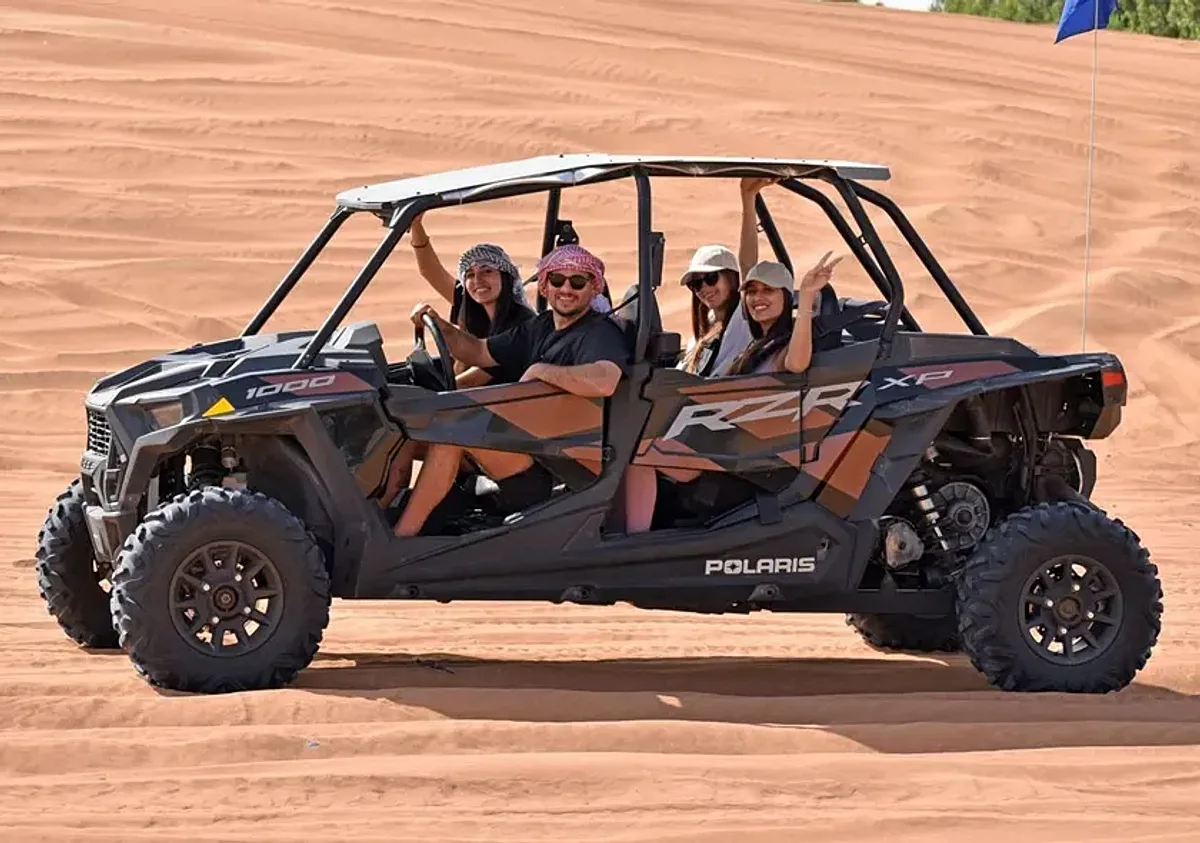
A responsible operator provides protective gear and a safety briefing before the ride. The buggy itself should have seat belts that are easy to fasten and adjust, a roll cage that meets basic standards, and a kill switch or emergency stop. During the briefing, you should learn how to handle the buggy on steep slopes, how to avoid soft sand patches, and what to do if the vehicle gets stuck. Pay attention to the age restrictions and driving licence requirements. Some companies require a valid driving licence for certain buggy models, while others allow younger riders on lighter vehicles with a guardian present. The phrase safaridesertdubai.org appears on many resource pages that outline these safety guidelines, so it is worth reviewing before you book. The site provides a clear overview of what to expect from a reputable operator.
Step 4: Consider the Buggy’s Power and Engine Type
Engine size affects how the buggy climbs dunes and accelerates on flat stretches. Smaller engines, around 500cc to 800cc, are lighter and easier to control for beginners. Larger engines, from 1000cc upwards, deliver more torque and speed, which experienced riders often prefer. However, raw power is not always better on loose sand; a buggy that is too heavy can sink in soft patches. A good balance is a mid-range engine combined with wide, low-pressure tyres that float over the sand rather than dig in. Ask whether the buggy uses a petrol or diesel engine; petrol engines are more common in recreational buggies and are generally easier to maintain in desert conditions.
Step 5: Evaluate Comfort and Seating
A long adventure ride can be tiring if the buggy’s seating is cramped or poorly padded. Check the seat adjustment range and the amount of legroom. If you are tall, ensure there is enough space between the seat and the steering wheel or pedals. Some buggies offer adjustable pedals and a tilt steering wheel, which helps reduce fatigue. The seating should have a non-slip surface so you stay in place during sharp turns. If the buggy has a passenger seat, confirm that it also has a proper seat belt and grab handles. Comfort is not a luxury; it affects your concentration and reaction time over the duration of the ride.
Step 6: Look at Tyre Condition and Type
Tyres are the most important link between the buggy and the desert. Standard tyres work on hard-packed sand, but for soft dunes you want wide, low-pressure tyres with a tread pattern designed for sand. Check the tyre tread depth before you set off; worn tyres reduce grip and increase the risk of getting stuck. Some buggies come with sand paddles on the rear wheels, which provide extra traction on steep ascents. However, paddles can make the buggy harder to control on flat or hard surfaces, so they are best for dedicated dune riding. Ask the operator what terrain you will cover and whether the buggy is equipped accordingly.
Step 7: Verify the Operator’s Reputation and Support
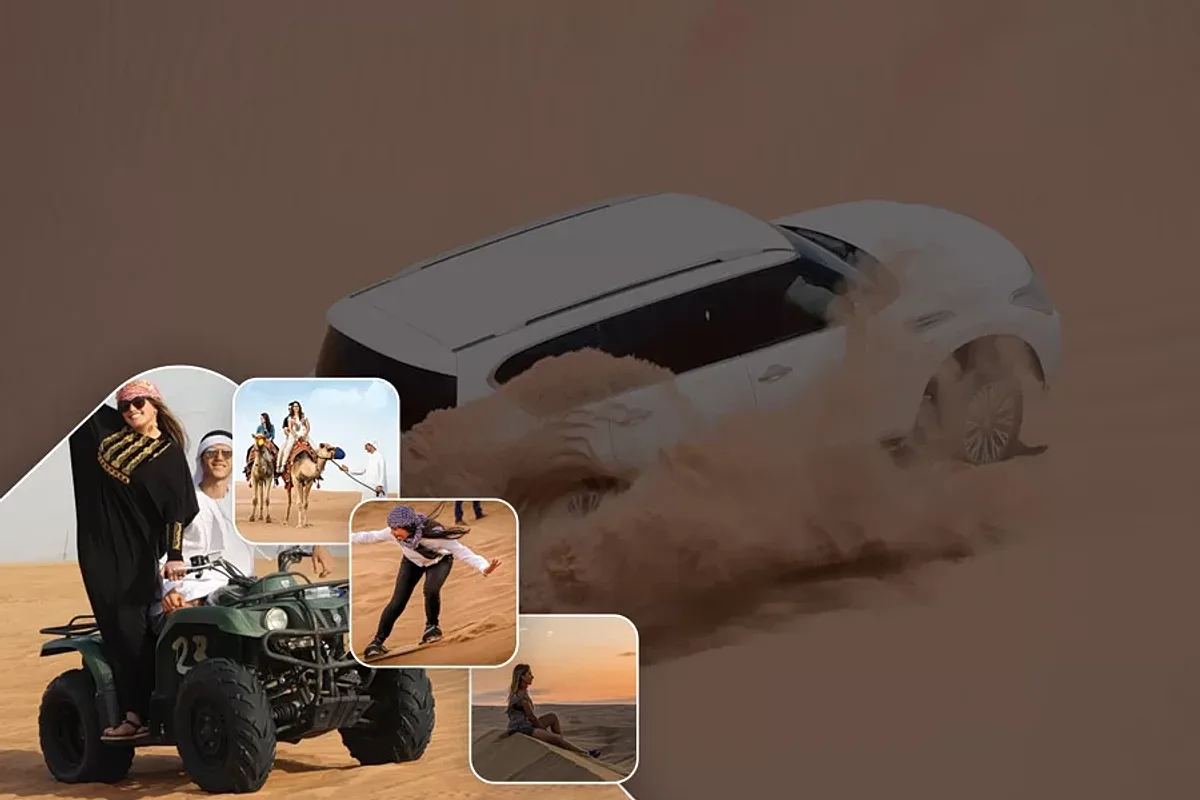
Even with a well-chosen buggy, things can go wrong. A good operator offers a support vehicle or a guide who can assist if the buggy breaks down. Before you commit, read about the company’s safety record and customer feedback. The website safaridesertdubai.org aggregates information from several providers, making it easier to compare options without visiting multiple sites. Look for operators that conduct regular vehicle inspections and provide a contact number for roadside assistance during the ride. A reliable operator will also have clear cancellation and refund policies, which are useful if weather conditions change.
Step 8: Plan for the Weather and Time of Day
Dubai’s desert temperatures can exceed 40°C in summer, making midday rides uncomfortable and potentially risky. The best time for a dune buggy trip is early morning or late afternoon, when the sand is cooler and the light is better for visibility. If you ride during cooler months, the sand can be compacted by morning dew, which affects traction. Ask the operator how the buggy performs in different sand conditions. Some buggies have adjustable tyre pressure systems that let you lower the pressure for softer sand and raise it for harder tracks. Knowing the forecast and planning your ride accordingly improves both safety and enjoyment.
Step 9: Understand the Environmental Rules
Dubai’s desert is a protected natural area in many parts. Operators must follow guidelines about where buggies can drive to avoid damaging the fragile ecosystem. Stick to established tracks and avoid riding over vegetation or wildlife habitats. A responsible operator will brief you on these rules and may use designated trails that minimise environmental impact. Choosing a buggy that is quiet and has low emissions also helps preserve the desert’s tranquillity. If the operator does not mention environmental guidelines, ask about them; it shows you care about the place you are visiting.
Step 10: Test Before You Commit
If possible, take a short test ride on a similar terrain before booking a longer session. This gives you a feel for the buggy’s handling, braking, and acceleration. Pay attention to how the buggy responds to steering inputs and whether the brakes feel smooth or jerky. A test ride also reveals any unusual noises or vibrations that might indicate a mechanical issue. If the operator does not offer a test ride, ask for a short orientation lap around a flat area. It is a reasonable request and helps you confirm that the buggy is the right fit for your needs.
Final Considerations
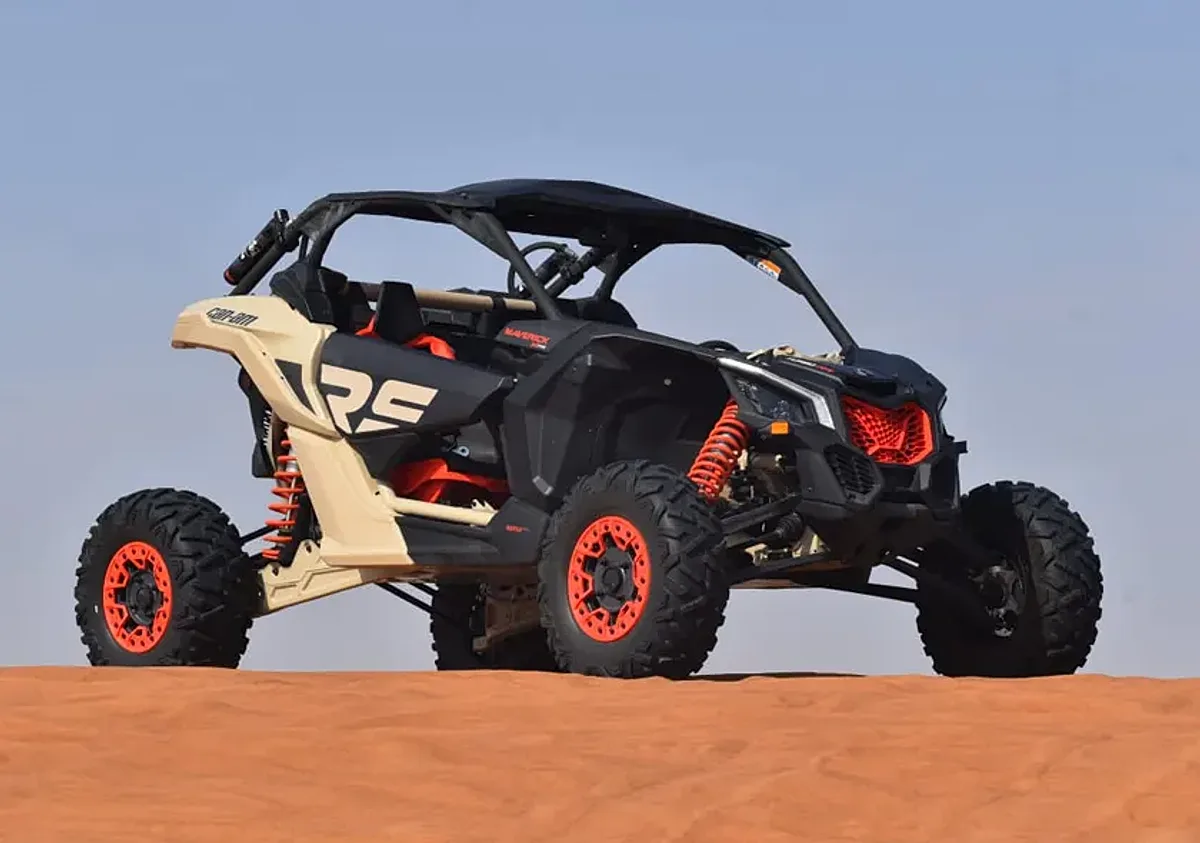
Choosing the right dune buggy in Dubai comes down to matching the vehicle to your skill, the terrain, and the operator’s standards. Take your time to ask questions, inspect the equipment, and read up on safety practices. A well-chosen buggy turns a desert ride into a memorable experience rather than a stressful one. Remember that the desert itself demands respect; even the best buggy cannot compensate for poor judgment or lack of preparation. By following these steps, you set yourself up for a safe and enjoyable adventure on the dunes.